Derby's position at the confluence of the Derwent and Trent rivers gives it a varied alluvial and glacial till profile, but the near-surface soils often sit in a partially saturated state. The unsaturated zone governs much of the shallow foundation behaviour in the city's residential and light industrial developments. Suction and transient pore-water pressures control volume change and shear strength. An unsaturated soil analysis quantifies these parameters using advanced laboratory testing, including the filter-paper method and axis-translation techniques. The approach follows BS 5930 and Eurocode 7 principles, enabling engineers to predict collapse settlement under wetting or cyclic loading. The analysis is essential before designing ground-floor slabs or shallow footings in Derby's clayey terrace deposits.
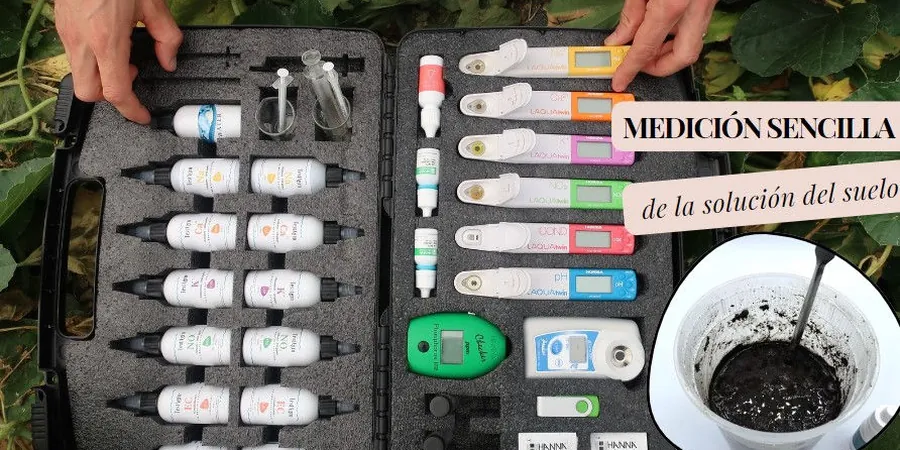
Unsaturated soil analysis captures the influence of matric suction on shear strength, directly affecting foundation design in Derby's clayey terraces.
Process overview
Local context
In Derby, we often see foundation heave or collapse when unsaturated clayey till is allowed to saturate after construction. The main risk arises from a rise in the water table or leaking drainage. The soil loses suction strength, and the effective stress drops. This can trigger differential settlement in strip footings. An unsaturated soil analysis identifies the collapse potential before it becomes a claim. The analysis also highlights swelling behaviour in high-plasticity clays. Ignoring the unsaturated state leads to underestimating volume change. The cost of retrofitting foundations far exceeds the price of a thorough laboratory characterisation during the site investigation phase.
Regulatory framework
BS 5930:2015 (Code of practice for ground investigations), Eurocode 7 – BS EN 1997-1:2004 (Geotechnical design), BS 1377 (SWCC determination)
Additional services
Full SWCC and Collapse Testing
Determination of the soil-water characteristic curve over the full suction range using pressure plate and filter-paper methods. Includes collapse potential tests on undisturbed samples under controlled wetting. Results are delivered as SWCC parameters, collapse index, and a report compliant with Eurocode 7.
Unsaturated Shear Strength Suite
Triaxial testing with suction control using axis-translation or osmotic technique. Measurement of phi^b and apparent cohesion. Suitable for slope stability analyses in Derby's cut slopes and embankments where unsaturated conditions prevail.
Typical parameters
Questions and answers
What is the typical cost range for an unsaturated soil analysis in Derby?
The price for a full unsaturated soil analysis, including SWCC and collapse testing, ranges from £860 to £2,510 depending on the number of samples and the required suction range. Additional triaxial tests with suction control add to the cost, but we deliver a detailed quotation based on the project scope.
How does unsaturated soil analysis affect foundation design in Derby?
It provides the collapse potential and suction-dependent shear strength, which directly influence the allowable bearing capacity and the need for Improvement. In Derby's clayey tills, ignoring the unsaturated state can lead to underestimating settlement by up to 40%.
What is the difference between saturated and unsaturated shear strength?
The reference range for this service in Derby is £860 - £2.510. The final price depends on the project scope and volume.
Which geotechnical standards apply to unsaturated soil testing in the UK?
BS 5930:2015 and Eurocode 7 (BS EN 1997-1:2004) govern the investigation and design. For the SWCC determination, BS 1377 is commonly followed. The laboratory must hold UKAS accreditation for the relevant test methods.