Under BS 5930 and Eurocode 7, contaminated soil remediation in Derby demands a thorough understanding of local ground conditions. Derby sits on a mix of river terrace deposits and Mercia Mudstone, with historical industrial activity from railways and manufacturing leaving pockets of heavy metals and hydrocarbons. A phased approach—desk study, site investigation, then remediation—is standard practice. For deeper profiling, we often pair this with an ensayo CPT to map contamination layers continuously, ensuring no hotspots are missed during excavation or treatment design. This method reduces guesswork and aligns with regulatory expectations from the Environment Agency and local planning authorities.
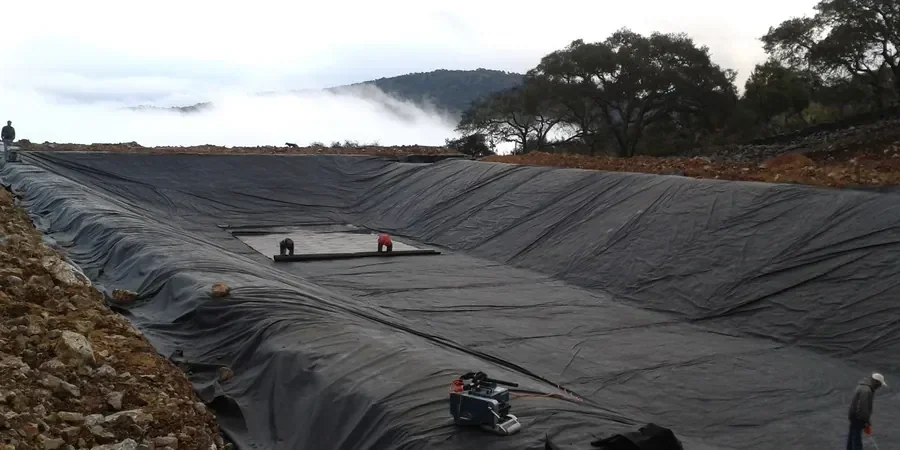
Derby’s industrial legacy means contamination is rarely uniform—each site needs a tailored remediation strategy built on solid site investigation.
Process overview
Local context
Derby’s geology includes shallow groundwater in the river terrace sands, typically encountered 2–4 m deep, which can mobilise dissolved contaminants across site boundaries. If a remediation plan does not account for seasonal water table fluctuations, pollutants may migrate off-site, triggering regulatory enforcement and costly clean-up extensions. Additionally, the Mercia Mudstone can fracture, allowing preferential pathways for vapours into nearby buildings—a risk often underestimated when only surface soils are tested. A proper risk assessment must include vapour intrusion modelling alongside soil and groundwater sampling to avoid future liability.
Regulatory framework
BS 5930:2015 (Code of practice for ground investigations), Eurocode 7 – EN 1997-1:2004 (Geotechnical design), Environment Agency Land Contamination Risk Management (LCRM)
Additional services
Phase 1 Desk Study & Site Walkover
Historical map review, regulatory records check, and visual inspection to identify potential contaminant sources and inform the investigation strategy.
Phase 2 Intrusive Investigation
Trial pits, boreholes, and groundwater monitoring wells installed across the site. Samples are analysed for a bespoke suite of contaminants based on the conceptual model.
Remediation Options Appraisal & Design
Evaluation of excavation, bioremediation, soil stabilisation, or containment. We deliver costed options with a clear rationale for the chosen approach.
Validation & Verification Reporting
Post-remediation sampling and laboratory analysis to confirm target concentrations are met. A verification report is issued for regulatory sign-off and planning discharge.
Typical parameters
Questions and answers
What is the typical cost for contaminated soil remediation in Derby?
Costs vary widely by site size, contaminant type, and depth. A typical residential plot with shallow hydrocarbon contamination may range from £2,450 to £9,540, including investigation, excavation, and disposal. Large industrial sites with complex contamination can exceed this. We recommend a Phase 1 study first to narrow the scope.
How long does a remediation project in Derby usually take?
A straightforward excavation and validation programme for a small site can take 3–6 weeks, including laboratory turnaround. More complex projects involving bioremediation or groundwater treatment may take 3–6 months. Derby’s planning authority typically requires a verification report before discharging contamination conditions.
Do I need planning permission to remediate contaminated land in Derby?
Not always for the remediation itself, but Derby City Council’s planning department often imposes a condition on development consent requiring remediation to a specified standard. Even without a planning trigger, voluntary remediation under the Environmental Protection Act 1990 Part 2A may require liaison with the Environment Agency. We handle all regulatory notifications.